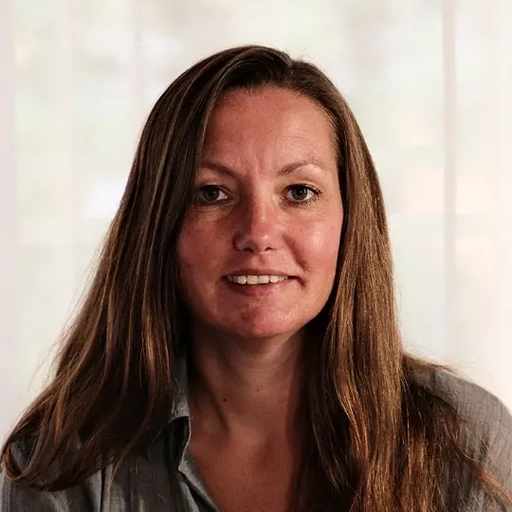
I have been working in nutrition counselling for more than 15 years now. And do you know which sentence I hear again and again after an initial consultation? "Wow, honestly, I was expecting something completely different!"
And shortly afterwards there is usually a huge sigh of relief, because those typical, oppressive expectations simply did not come true.
What is the first thing that comes to mind when you think of nutrition counselling?
For most people, it is pure dread: of prohibitions, of a wagging finger, and of a rigid weekly plan full of restrictions that you are now expected to work through obediently.
And the bitter part is that this fear is not unfounded. This very outdated circus really does play out every single day. No wonder so many of you steer well clear of the subject. Honestly? If someone came at me with a rigid corset of rules, I would have just as little desire to take part.
"Good nutrition counselling makes itself redundant by giving you the knowledge and the confidence to eat well for the rest of your life."
Anne Krenzin
So how can you tell what truly good counselling looks like?
Genuinely reputable counselling that brings you lasting benefit never consists of mechanically reciting the food pyramid and striking off foods that are supposedly "bad" or fattening.
Good counselling starts somewhere else entirely: with you, your daily life and your personal patterns!
This is where a great deal of psychology comes into play. No one can seriously expect you to drop habits you have carried with you, in some cases for decades, at the push of a button. It simply doesn't work, and certainly not in the long run.
If you truly want to change your eating behaviour for good, what is needed is honest reflection rather than deprivation:
- Why do you eat in certain situations even though you are not hungry?
Where do these patterns actually come from?
What does food give you in that very moment: comfort, reward, stress relief?
What matters to me in my nutrition counselling.
Nutrition has an awful lot to do with your own biography and learned behaviours. After all, your habits did not simply fall from the sky overnight; they have a history. That is exactly why the heart of my work is to explore these underlying causes together, break up old loops and, step by step, build new, authentic routines.
Of course, we also look at what ends up on your plate and adjust the right levers. But that is only one small building block of the whole. Only once you understand your own behavioural patterns will such changes last in the long term, entirely without pressure and without guilt.
Incidentally, my counselling takes place in a straightforward way via online video call. We see each other, talk as equals and can exchange ideas in peace, no matter where you are.
The unbeatable advantage: No travel stress, no hunting for a parking space and zero pressure. Instead, you can make yourself comfortable on your own sofa in your sweatpants with a cup of tea.
Free yourself from the fear of prohibitions, stop going round in circles, and find your own relaxed path to genuine well-being.
Checklist for reputable nutrition counselling
Scientifically grounded training
Diplom Oecotrophologe (graduate in nutrition and household science) and state-certified dietitian (staatlich geprüfter Diätassistent) are protected professional titles that can only be obtained through a degree or formal training.
Assessment before counselling
Before you book a paid session, it should be established where your difficulties lie and whether the practitioner can genuinely help you. This happens either through a free initial consultation or with the help of a medical history questionnaire that you complete.
Course of the conversation
The practitioner sees you and your daily life and supports you in changing habits within those circumstances. They are empathetic rather than relying on generic, one-size-fits-all recommendations or product sales.