There was one thing, though, that almost all of them had in common: dissatisfaction with deep-seated habits that stood in their way when it came to eating more healthily or reaching a weight they felt comfortable with.
And if we are completely honest, we all have behaviours we would love to switch off right away.
For me, for a long time, it was (and yes, it still catches me out now and then) the opened bar of chocolate. Once the wrapper is open, stopping becomes difficult – not to mention the speed.
While other people let a single piece melt slowly on the tongue and contentedly say: “That's quite enough for me”, I did something entirely different: break off a row, pop it in my mouth, chew quickly, next piece right behind it. In no time at all, the whole bar was gone – practically inhaled. And moments later came the bewildered look at the empty wrapper: “Hang on, where did the chocolate actually go?” Incidentally, this behaviour earned me the affectionate nickname “The Shredder.”
At some point, I finally understood where this pattern came from.
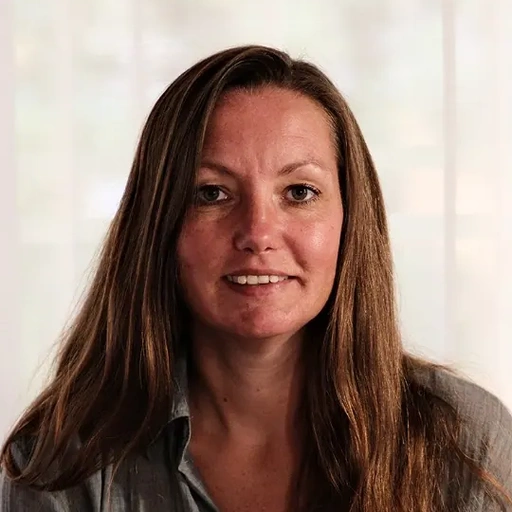
“It was only when I realised that the little girl from the 1980s was still standing at the fridge that I understood my chocolate consumption is not a problem of discipline.”
Anne Krenzin
What we learn as children stays with us for life
As a child, I watched the early-evening TV series with my grandparents every day. It started promptly at 6:00 pm. If you remember: back then, this was the only short commercial break on public television that interrupted the programme. My grandfather usually used the pause to get up for a moment. And I immediately used his absence to ask my grandmother for a Milchschnitte – a milk-filled sponge snack that was never really missing from her fridge.
Her standard reply: “Yes, my darling, but eat it up very quickly so Grandpa doesn't see!” My grandfather did not like it at all when we snacked before dinner.
Naturally, I didn't need to be told twice. So: off to the fridge, pull the tear strip, down it went.
This trained “Hurry, hurry!” has stayed with my eating behaviour for decades. A seemingly small situation from my childhood shaped my behaviour as an adult in a lasting way.
And I am absolutely not an exception. Take a moment to reflect: Which unconscious patterns accompany you when you eat, and where might their roots lie? With a little thought, typical situations will surely come to mind.
Why am I telling you this here, when this is about children's nutrition?
Because the foundation for almost all of our eating habits is laid in the first years of life. The younger we are, the deeper such behavioural patterns are imprinted. Sometimes they strengthen us for life – sometimes they get seriously in our way later on.
Unlearning firmly anchored patterns in adulthood takes a great deal of time, honesty with yourself and mental energy.
So how can you help your children build relaxed and healthy routines from the very beginning?
The most important step: start with yourself.
Be a true role model for your children at the table
Choose your meals with intention
If you hope your children will appreciate fresh meals, don't rely constantly on delivery services or ready-made meals.
Eat the same food as your children
If you want your children to try vegetables as a matter of course, don't sit down next to them with a doughnut. Reach for peppers, carrots or salad yourself, and do so with enjoyment.
Appreciative language
If you wish your children to stay open to new flavours, don't speak disparagingly about certain foods at the table yourself. Stay curious and show that trying new things is fun.
Children learn primarily through imitation – in developmental psychology, this is known as observational learning. Small children in particular do not question our behaviour; they simply absorb it and copy it unfiltered. They only become more critical later. But if a relaxed, healthy foundation was laid in the early years, that basis often remains stable for life.
This by no means means that everything must suddenly be perfect, that you may only buy organic, or that you must follow strict meal plans.
But take a moment to reflect: Which stressful automatic habits would you rather spare your children? Breaking old patterns is not always comfortable, but it is worth it – for your children and, in the end, just as much for yourself.